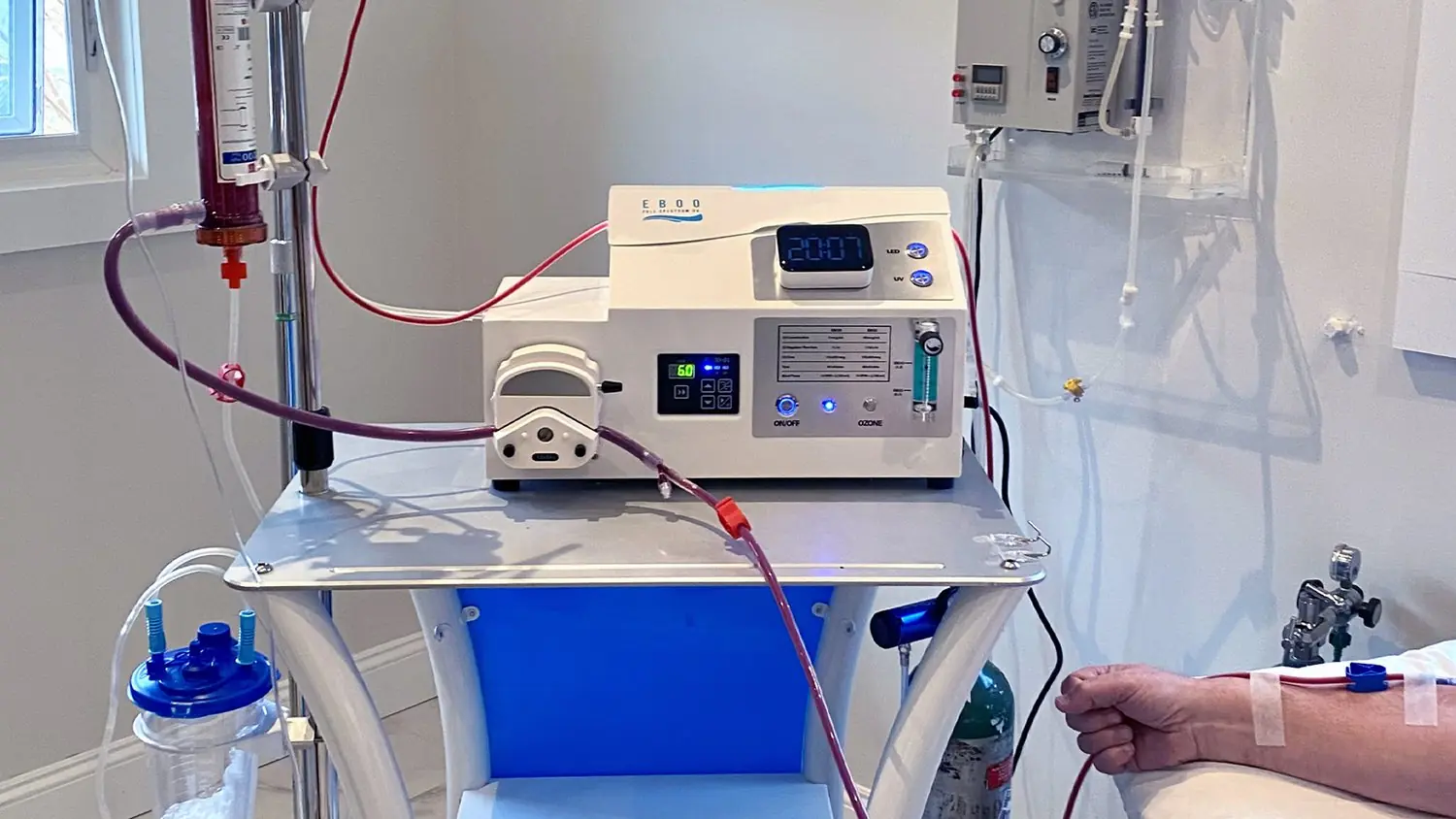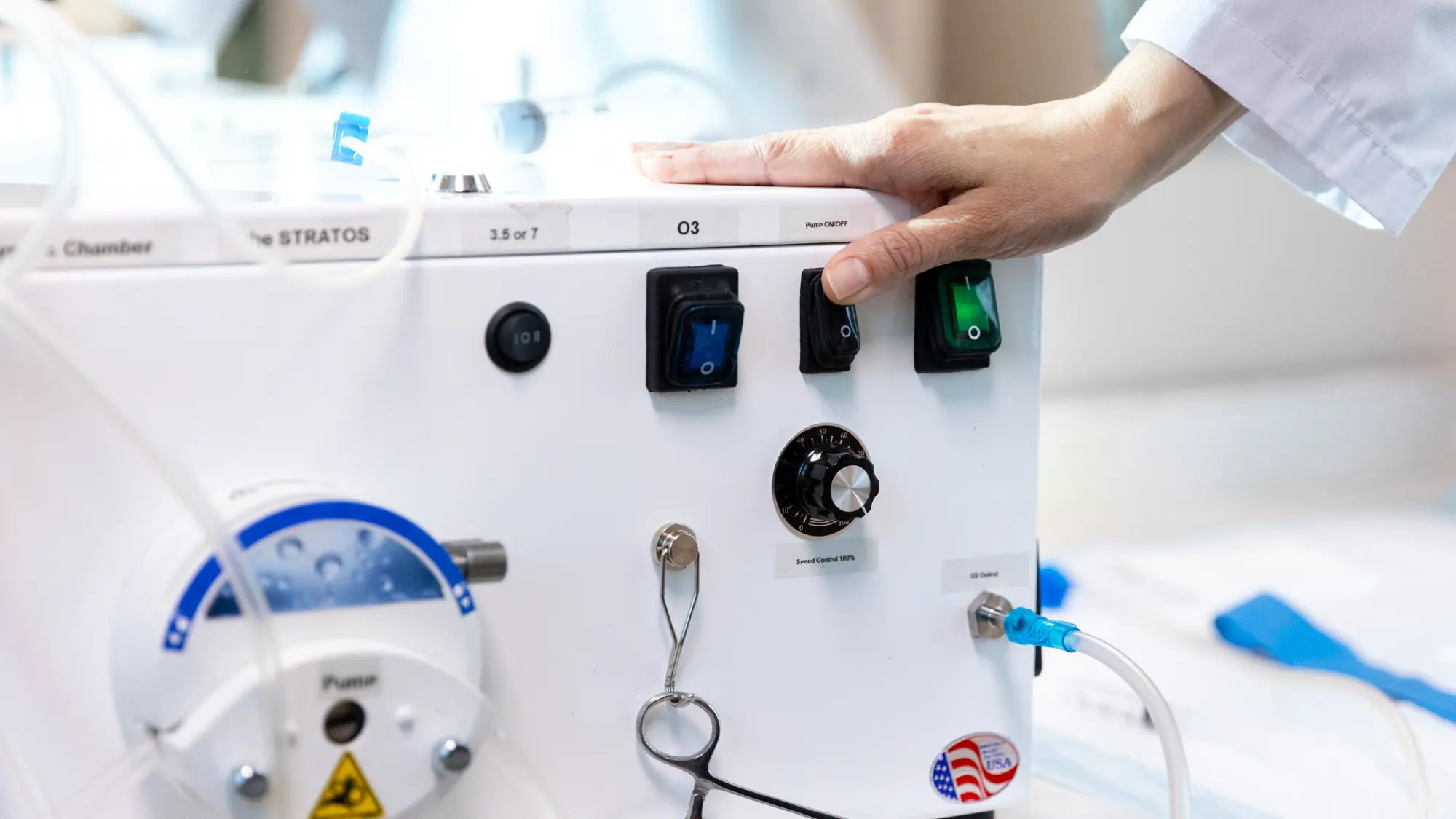

EBOO (Extracorporeal Blood Oxygenation and Ozonation) is a sophisticated form of ozone therapy gaining attention in the integrative treatment of chronic illnesses—including Lyme disease. While EBOO does not cure Lyme disease, some healthcare providers offer it as a supportive therapy to help manage persistent symptoms.
What Is Lyme Disease?
Lyme disease is caused by the bacterium Borrelia burgdorferi, typically transmitted through tick bites. When diagnosed early, it’s usually treated effectively with antibiotics. However, some individuals experience Post-Treatment Lyme Disease Syndrome (PTLDS), with ongoing symptoms such as:
- Fatigue
- Brain fog
- Joint or muscle pain
- Sleep disturbances
This is where EBOO is sometimes introduced by integrative practitioners.
How Might EBOO Help?
Although research is still emerging, EBOO may support Lyme patients by:
- Enhancing oxygen delivery to tissues affected by chronic inflammation
- Reducing microbial load, including bacteria and viruses, through ozone’s antimicrobial effects
- Improving circulation and detoxification by filtering the blood
- Modulating the immune system, potentially calming autoimmune-like responses
These potential benefits have not been confirmed through large-scale studies, but anecdotal reports and small clinical observations suggest EBOO may improve quality of life for certain individuals with chronic Lyme symptoms.
What the Science Says
- EBOO has not been FDA-approved for Lyme disease.
- No large, peer-reviewed trials have validated its efficacy in Lyme or PTLDS.
- Some research on ozone therapy in general shows antimicrobial and anti-inflammatory properties, but this cannot be directly applied to EBOO without more targeted studies.
Is It Safe?
When performed by a trained medical professional using sterile, medical-grade equipment, EBOO is generally considered safe. However:
- It may cause transient fatigue or mild flu-like symptoms after treatment.
- It’s not recommended for individuals with certain blood disorders, hyperthyroidism, or G6PD deficiency.
Important Considerations
- EBOO should be seen as adjunctive—not a standalone treatment.
- Always consult with a Lyme-literate medical doctor (LLMD) or specialist before starting EBOO.
- Combining therapies (antimicrobials, herbal protocols, detoxification, nutrition) often yields better outcomes in chronic Lyme care.
To summarize
EBOO may offer promising support for patients struggling with long-term Lyme disease symptoms. While it is not a cure, it could be part of a comprehensive treatment plan guided by experienced professionals. Always consult your primary care provider or Lyme specialist before pursuing EBOO.