
1. What do people mean by “EBOO for hair loss”
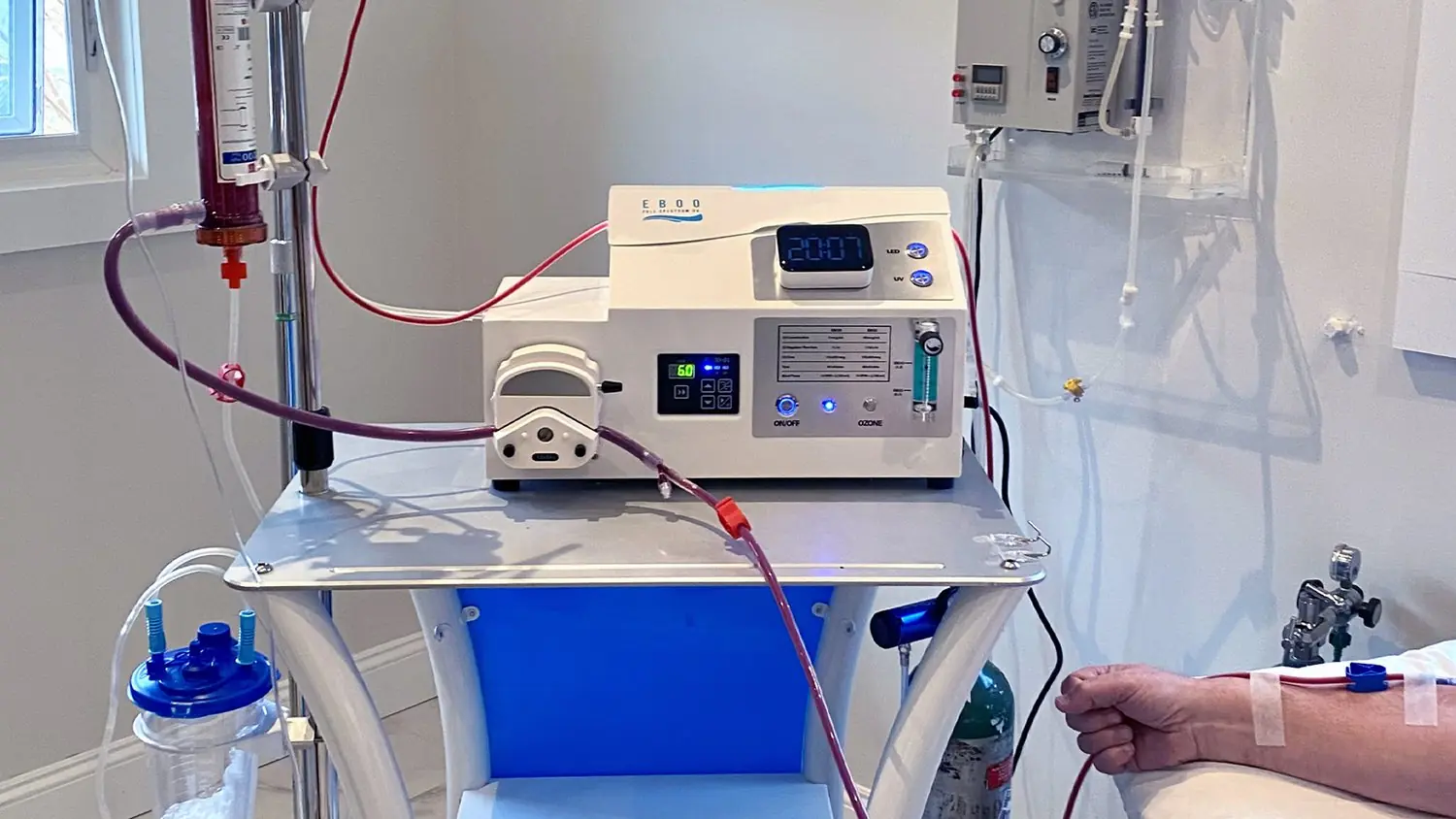
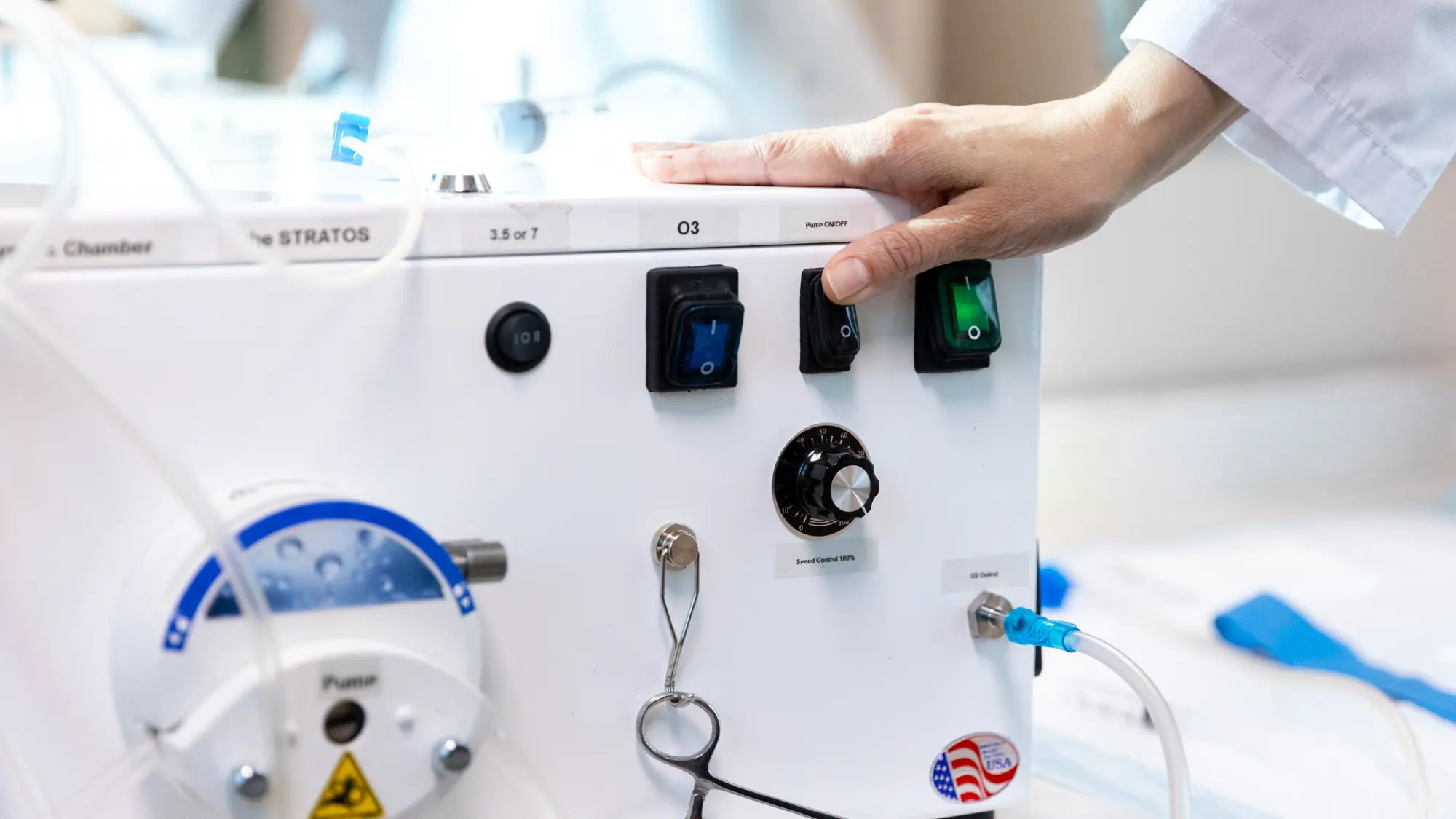
EBOO (extracorporeal blood oxygenation and ozonation) is one delivery format of medical ozone: blood is circulated out of the body, exposed to a controlled ozone/oxygen mixture (and sometimes filtered), then returned. In hair-loss practice, clinicians use several ozone modalities for scalp/hair problems: topical/ozonated oils, intradermal ozone injections to the scalp, ozonized auto-haemotherapy (blood drawn, ozonated, then returned), and more complex extracorporeal techniques such as EBOO.
2. How EBOO / ozone might help hair (proposed mechanisms)
- Improved microcirculation & oxygen delivery. Ozone/oxygen exposure can increase blood oxygen transport and promote vasodilation (nitric oxide-mediated), which may improve nutrient/oxygen supply to hair follicles.
- Anti-inflammatory and immune modulation. Controlled ozone doses appear to modulate cytokine profiles and reduce chronic inflammation that can impair the hair cycle (relevant especially to inflammatory alopecias).
- Antimicrobial action/scalp environment. Ozone has broad antimicrobial activity (bacteria/fungi) — improving scalp microbiome and reducing infectious contributors to hair shedding.
- Stimulation of repair pathways. Some reports suggest ozone can upregulate antioxidant enzymes (e.g., glutathione) and improve tissue repair—factors that theoretically support anagen (growth) phase.
These mechanisms are biologically plausible but largely extrapolated from systemic ozone literature and small studies; they do not yet constitute definitive proof of clinical benefit for alopecia.
3. What the clinical evidence shows (summary)
- Small clinical study (1995, Sanseverino et al.): Major autohaemotherapy with ozonated blood in 42 subjects with androgenetic alopecia showed “marked improvement of the hair cycle” after cycles of treatment (16 sessions; ozone dose reported). This is an early, small, non-randomized study and is frequently cited in ozone-hair literature.
- Reviews of ozone in dermatology (recent): Narrative and systematic reviews conclude ozone therapy appears promising for some dermatologic conditions but emphasize methodological limitations, small sample sizes, and short follow-up across studies—therefore, higher-quality RCTs are needed.
- Case reports/clinic series: Contemporary clinic reports and anecdotal case series (injections, topical ozone, combinations with PRP) describe hair-density improvements, but most lack controls, standardized outcomes, or peer-reviewed publication.
Interpretation: evidence is preliminary — some positive signals exist (small trials, case series) but no large randomized controlled trials are demonstrating reproducible, clinically meaningful hair regrowth from EBOO specifically.
4. Typical protocols used in practice
Practices vary widely. Examples reported in the literature and clinical practice include:
- Ozonized autohaemotherapy (MAH): drawing ~100–200 mL blood, ozonating it, returning it; repeated cycles (e.g., 12–16 sessions).
- Scalp intradermal ozone injections or ozonated oils: direct local stimulation of follicles often combined with microneedling or PRP.
- EBOO / extracorporeal systems: used in a few specialized clinics; treats larger blood volumes in a continuous extracorporeal circuit (protocols and ozone concentrations vary and are not standardized publicly).
Because protocols differ, it’s impossible to recommend a single “best” dosing schedule from current evidence.
5. Safety and contraindications
- Common, mild effects: temporary fatigue, lightheadedness, local bruising at IV/injection sites.
- Serious risks (rare) and precautions: hemolysis in G6PD deficiency, infection risk if asepsis breached, incorrect ozone dosing → oxidative damage. Screening (e.g., G6PD test) and use of medical-grade equipment by trained staff are essential.
6. Practical recommendations for patients and clinicians
- Do not use EBOO (or any ozone therapy) as a standalone replacement for evidence-based hair-loss treatments (topical minoxidil, oral finasteride where appropriate, PRP, microneedling, hair transplant when indicated). Combine thoughtfully and under supervision.
- Seek reputable clinics that: use medical-grade ozone generators, single-use sterile disposables, screen for contraindications (G6PD), and can show their protocols and adverse-event reporting.
- Ask for measurable outcomes: baseline trichoscopy/photos, quantified hair counts or hair density metrics, and follow-up at defined intervals (3, 6, 12 months).
- Prefer treatments embedded in clinical trials where possible—this helps build the evidence base.
7. Research gaps & what’s needed next
- Large, randomized, placebo-controlled trials of EBOO and of more common ozone modalities specifically for androgenetic alopecia and alopecia areata.
- Standardization of ozone dose, session frequency, and objective outcome measures (hair counts, phototrichogram).
- Long-term safety data with repeated sessions and comparative studies versus established treatments.
8. final thoughts
There is biological plausibility and small, early clinical data suggesting ozone-based blood therapies can favorably alter the hair cycle. However, EBOO for hair loss remains experimental: evidence is limited, protocols are heterogeneous, and stronger trials are needed before broad clinical endorsement. If patients choose to pursue ozone/EBOO, it should be adjunctive, delivered by qualified medical professionals, and accompanied by objective outcome tracking.
Selected references / further reading (sources cited above)
- Sanseverino ER, Effects of ozonized autohaemotherapy on human hair cycle (1995). PubMed. (PubMed)
- Modena DAO et al., Ozone Therapy for Dermatological Conditions — review (2022). PMC. (PMC)
- Practical/clinic summaries on EBOO and ozone methods. CLNQ / IV Elements (clinic overviews). (clnq.com)
- Evaluation studies and preliminary in-vitro work on ozone/hair fiber and aesthetic uses (research articles and reviews). (ResearchGate)
Bottom line: EBOO and related medical-ozone approaches show some supportive, early evidence for improving hair cycle parameters and scalp health, but high-quality clinical trials are scarce. EBOO should be considered experimental for hair loss and—if used—only as an adjunct to established treatments and under medical supervision.