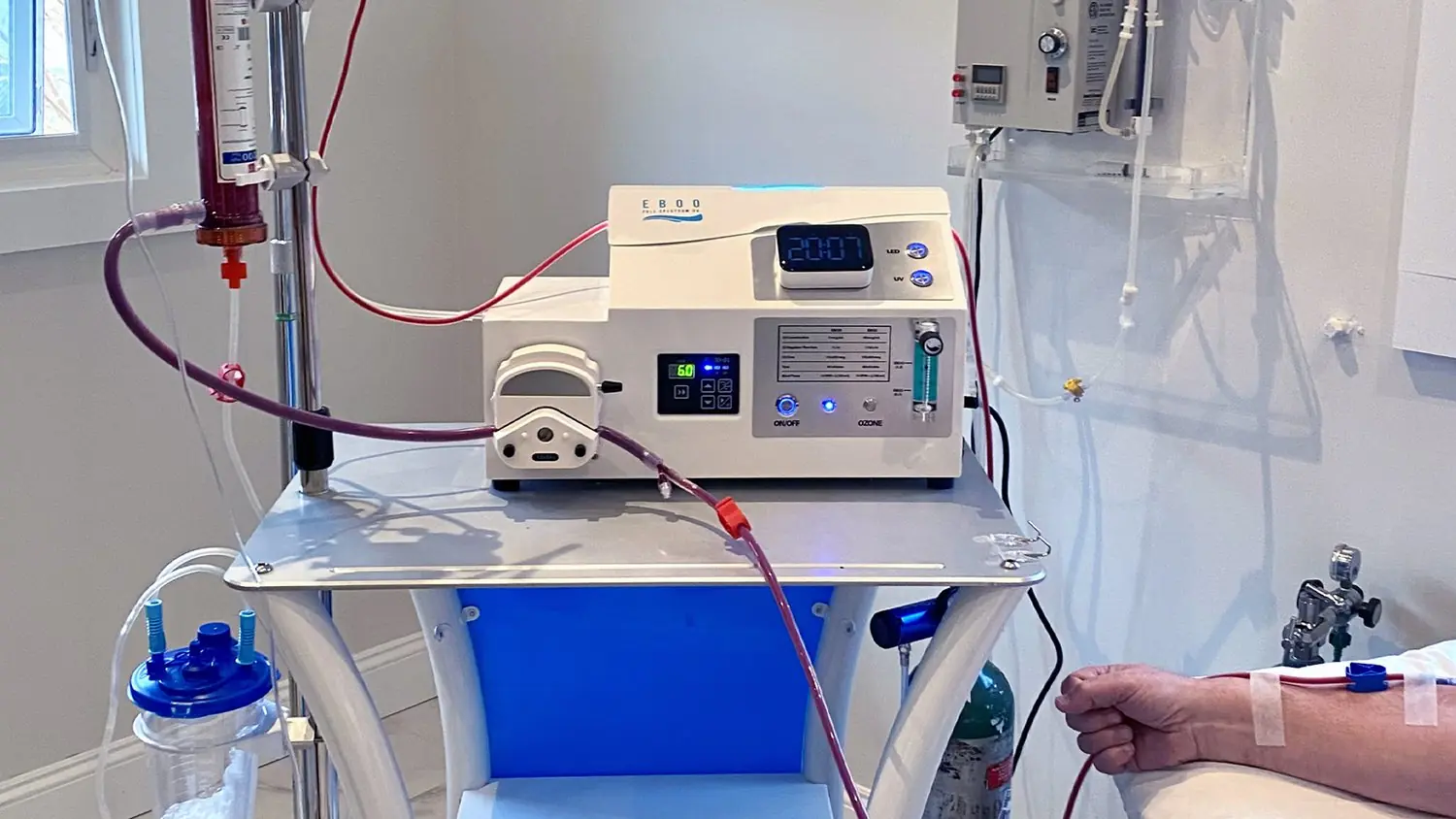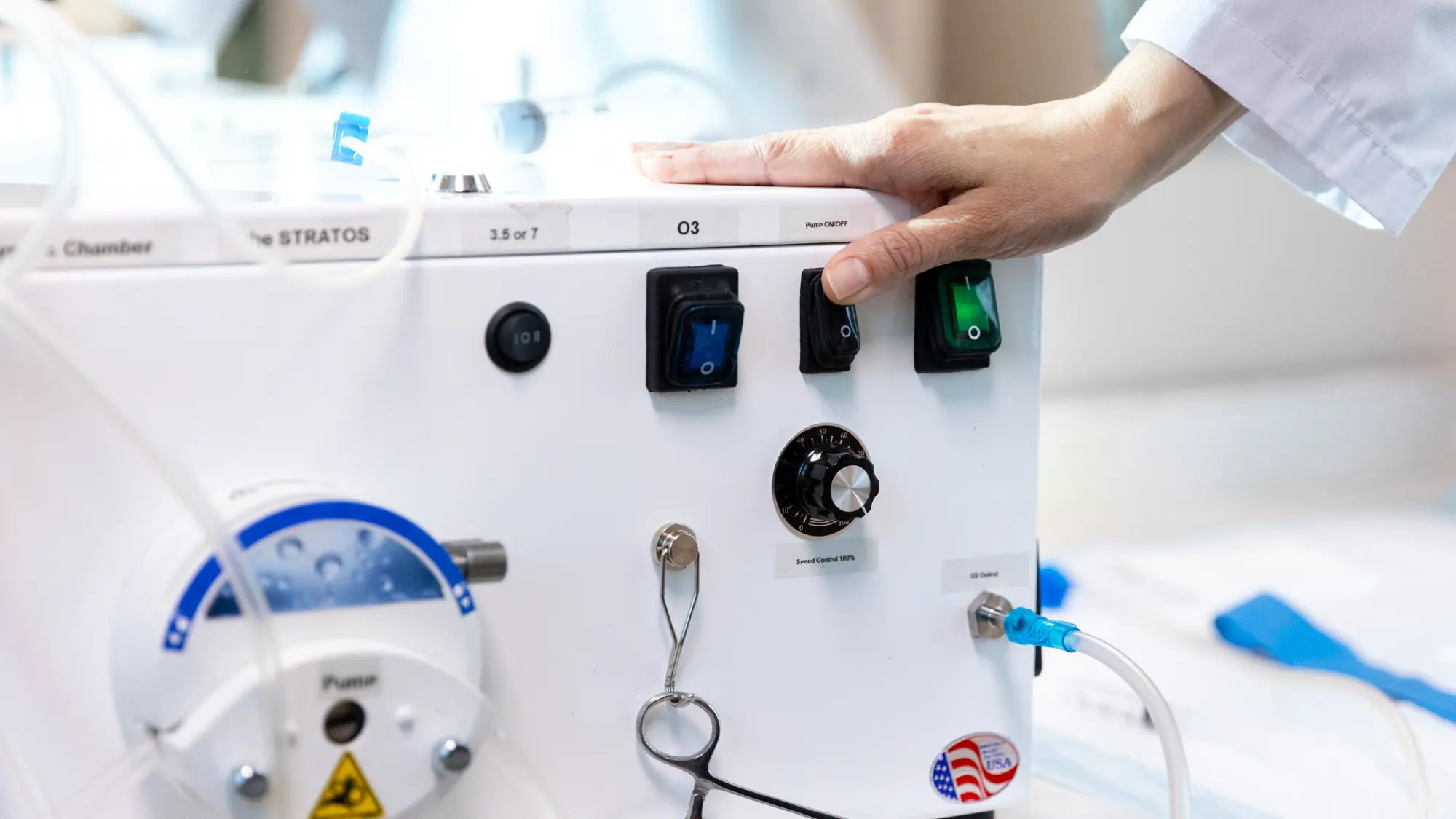

Extracorporeal Blood Oxygenation and Ozonation (EBOO) therapy is considered a cutting-edge form of systemic ozone therapy, used in integrative and functional medicine settings to detoxify the blood, improve oxygen delivery, and modulate the immune response. While EBOO is generally regarded as safe when performed by trained professionals, it is still a medical procedure, and like all medical interventions, it carries potential risks and side effects.
This article outlines the most commonly reported side effects, possible adverse reactions, and considerations for patient safety.
Common and Mild Side Effects
These effects are typically short-lived and manageable:
- Fatigue or Tiredness
Some patients report feeling tired for several hours after treatment. This is often due to the body’s detoxification response and typically resolves with rest. - Dizziness or Lightheadedness
A temporary drop in blood pressure or blood sugar levels may cause slight dizziness during or after treatment, especially if the patient did not eat beforehand or is dehydrated. - Bruising or Discomfort at IV Site
As with any intravenous therapy, mild pain, swelling, or bruising at the needle insertion site may occur. This is usually minor and self-resolving. - Mild Nausea
Some patients experience nausea due to detoxification effects, especially during the first few sessions.
Less Common but Notable Side Effects
These reactions are less frequent but should be taken seriously:
- Herxheimer Reaction (Detox Reaction)
Also known as a “healing crisis,” this occurs when the body eliminates toxins or pathogens faster than it can process them. Symptoms may include headache, muscle aches, fatigue, and flu-like symptoms. These typically resolve within 24–48 hours. - Temporary Flare-Up of Symptoms
Patients with autoimmune or inflammatory conditions might temporarily feel a worsening of symptoms as the immune system responds to treatment. - Drop in Blood Pressure
Because EBOO can improve vasodilation and increase circulation, some individuals—especially those who are hypotensive or on blood pressure medication—may experience a drop in blood pressure during or after therapy.
Serious Risks (Rare)
Though rare, serious side effects can occur—typically due to improper administration or failure to screen patients:
- Hemolysis (Red Blood Cell Breakdown)
This risk is especially high in patients with G6PD deficiency, a genetic enzyme deficiency that must be ruled out before undergoing any ozone therapy. Hemolysis can cause fatigue, dark urine, jaundice, or, in severe cases, kidney damage. - Air Embolism
Extremely rare in experienced hands, but theoretically possible if proper IV protocols are not followed. - Allergic Reaction to Anticoagulants
Citrate or other anticoagulants used during the procedure may cause an allergic or sensitivity reaction in rare cases. - Electrolyte Imbalance
This is uncommon but possible if large fluid volumes are exchanged or if the patient is already dehydrated or malnourished.
Who Should Avoid EBOO Therapy?
EBOO therapy may not be appropriate for:
- Individuals with G6PD deficiency
- Patients with active bleeding disorders
- People taking blood-thinning medications, unless cleared by a physician
- Pregnant women, due to lack of clinical research
- Individuals with uncontrolled heart or kidney conditions
How to Minimize Side Effects
- Always undergo EBOO at a licensed clinic with trained professionals.
- Get screened for G6PD deficiency before starting therapy.
- Stay well hydrated and eat a light meal before treatment.
- Inform the clinic of any ongoing medications, health conditions, or recent illnesses.
- Follow post-treatment guidelines, including rest, hydration, and any recommended supplements.
Final Thoughts
EBOO therapy is generally well-tolerated when administered properly and under appropriate medical supervision. Most side effects are mild and temporary, and serious complications are rare but possible. Full screening and open communication with your provider are essential to ensuring a safe experience.
⚠️ If you’re considering EBOO therapy, consult your healthcare provider to determine whether it’s suitable for your specific condition and health status.